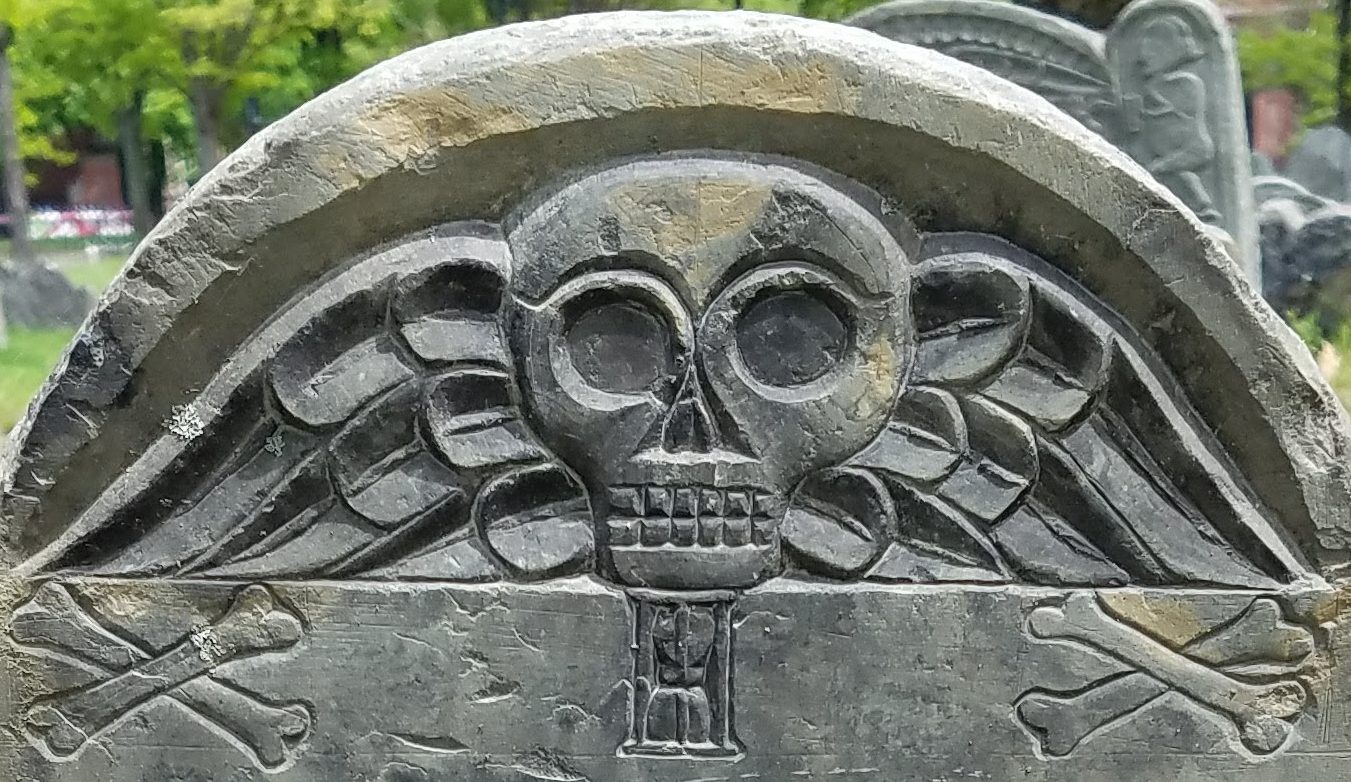

Learning to ‘read’ a cemetery is like learning to read a foreign language. Depending on the social, cultural, and historical context of the burial ground, the symbols and information conveyed will represent much different ideas. Even when we look back to a culture that spoke the same language and held the same religion as the present day, we see a dramatic difference in the messages those burial places were trying to communicate and the symbols by which they conveyed them. The layout, placement, and maintenance of the cemetery itself can express the relationships of power and respect between contemporary sub-cultures and marginalized groups.


Therefore, to ‘read’ a cemetery is not to recognize a static vocabulary of signs and symbols etched into stone but to understand how the intended and conveyed meaning of those symbols shift and change across time, social environments, and geography. Burial grounds are not fossils of people and ideas that are gone. Rather, they are dynamic places where the past and present interact, contextualize each other, and give each other meaning.
The multitudes of humans who make up the past are difficult to humanize. Even when we know what they ate and how they dressed and when they lived, the nameless, faceless masses are only a vague concept to the present and alive. But in the cemetery, the dead of the past have names and sometimes even faces. Their most heartfelt and universal emotions-loss, grief, hope, honor, love-are expressed in word and picture. Dry statistics about infant mortality rates in the early decades of the 1800’s connect with us in a logical, information-based way. A tiny headstone that reads ‘Our Baby’ connects with our hearts and leads up to empathize with the past in a way that is arguably more meaningful.


As with any culture, if you spend enough time observing and listening to the burial ground you cannot help to understand and honor those lives. Studying the ideas and practices of the past helps us understand how the current social and cultural systems were created and their ongoing impact in the daily lives of the living.
 Playing Marbles for Keeps
Leave a comment