
While the hallowed burial ground is the last place you might look to find cutting-edge innovations, some grave keepers are stepping up their game by pairing technology with taphology. Some upgrades link cemetery visitors and residents while other graveside gadgets are DOA. Next time you head out for a cemetery stroll, don’t forget to charge your smartphone and keep your eyes peeled for these technological tombstone inventions.
iStone
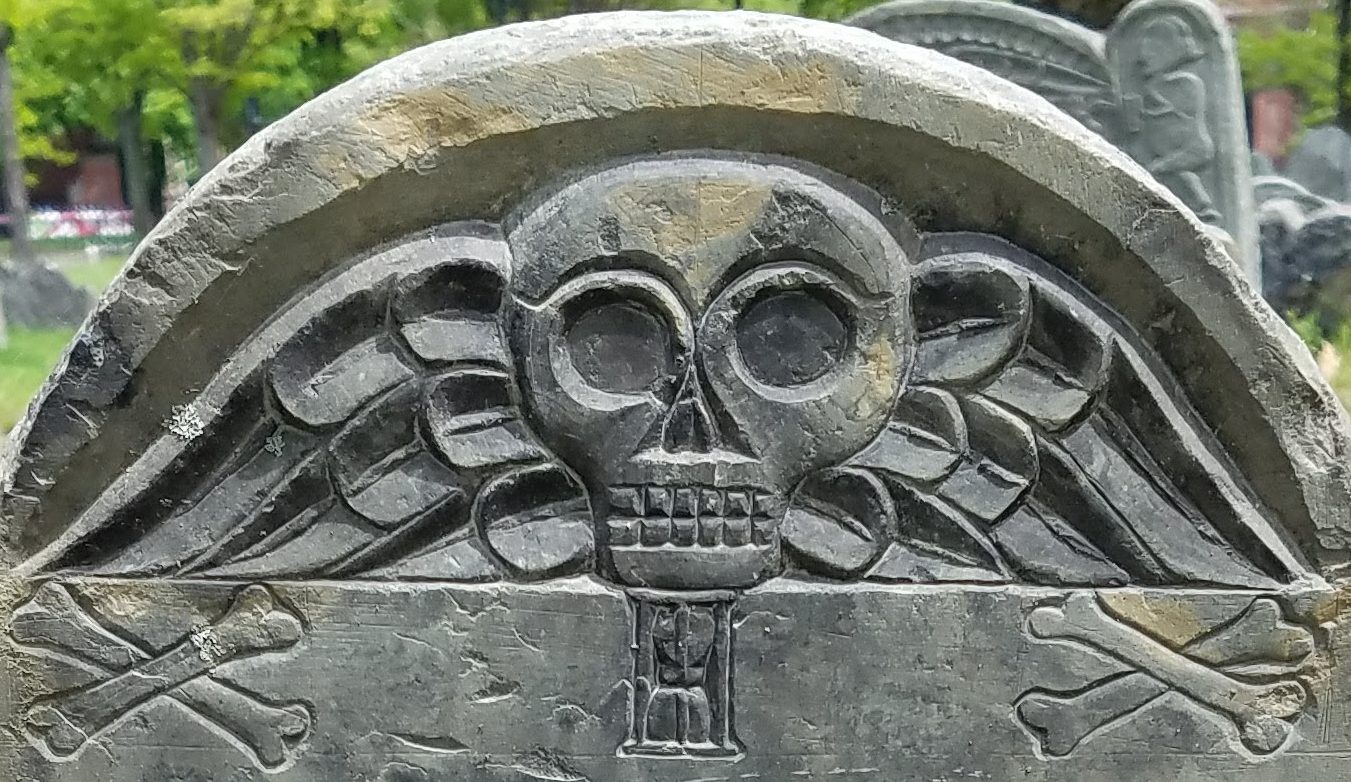
Engraving the face of the deceased onto their tombstone is hardly a new concept. ‘Portrait stones’ from the 18th century in New England capture the likeness of those who died centuries ago. In the late 1800s, new techniques allowed photographs to be fired onto ceramic plates and installed on gravestones and these ‘eternal portraits’ were popular for decades. Today, laser engraving etches high-quality photos of the deceased onto monuments along with an endless catalog of images relating to their interests and hobbies.

A memento mori portrait stone in the Common Burying Ground of Newport, RI. Photo courtesy of author. 
A modern digitally engraved portrait monument in Riverside Cemetery of Fairhaven, MA.
Photo courtesy of author.
Dual portrait stone for Captain and Mrs. Blower at the Old Burying Ground, Cambridge MA. Photo courtesy of author.
Modern monument innovators want to take the gravestone portrait one step further by incorporating digital technology. Robert Imrie is the mastermind behind the Vidstone, a solar-powered LED screen that scrolls through a “digital scrapbook” of photos. Two headphone jacks allow mourners to enjoy musical tributes to their loved one without disturbing the tranquil burial grounds. Sadly, the Vidstone was DOA upon its launch in 2007, maybe due to the $2,000 price tag (in addition to the actual monument) or the relatively short 15-year expected lifespan. Very few units were sold, and the company website has since gone completely offline.

Other technological tombstones take advantage of the screens we carry on our person everywhere we go. Living Headstones, sold by Quiring Monuments, incorporate a QR code into a regular granite headstone. Any visitor with a smartphone can scan the square pattern and instantly visit a personalized memorial page that the family can update with photos, an obituary, a guest book, and digital flowers. At only $75 with the purchase of a monument from Quiring, maybe the more accessible and cheaper Living Headstone will catch on!

Cemeteries in Cyberspace
Between Google Street View and virtual reality tours, the need to physically visit places is shrinking by the day. Digital graveyards promise to replace strolling with scrolling as tombstones can be visited from the comfort of your favorite web browser.The father of virtual cemeteries is undoubtedly FindaGrave.com.
Back in 1995 during the infancy of the Internet, founder Jim Tipton could not find a website that catered to his hobby of visiting celebrities’ graves. He started Find a Grave to bring like-minded people together, and it quickly expanded to an online graveyard where anyone can add or find a loved one’s grave from anywhere in the world. Members can publish obituaries, leave virtual flowers, and sign a guest book. An army of volunteers responds to photo requests so that far-off loved ones can see graves from across the globe. Ancestry.com acquired Find a Grave in 2013 so many graves offer links to vital records for armchair genealogists and family historians.

There’s an App for That
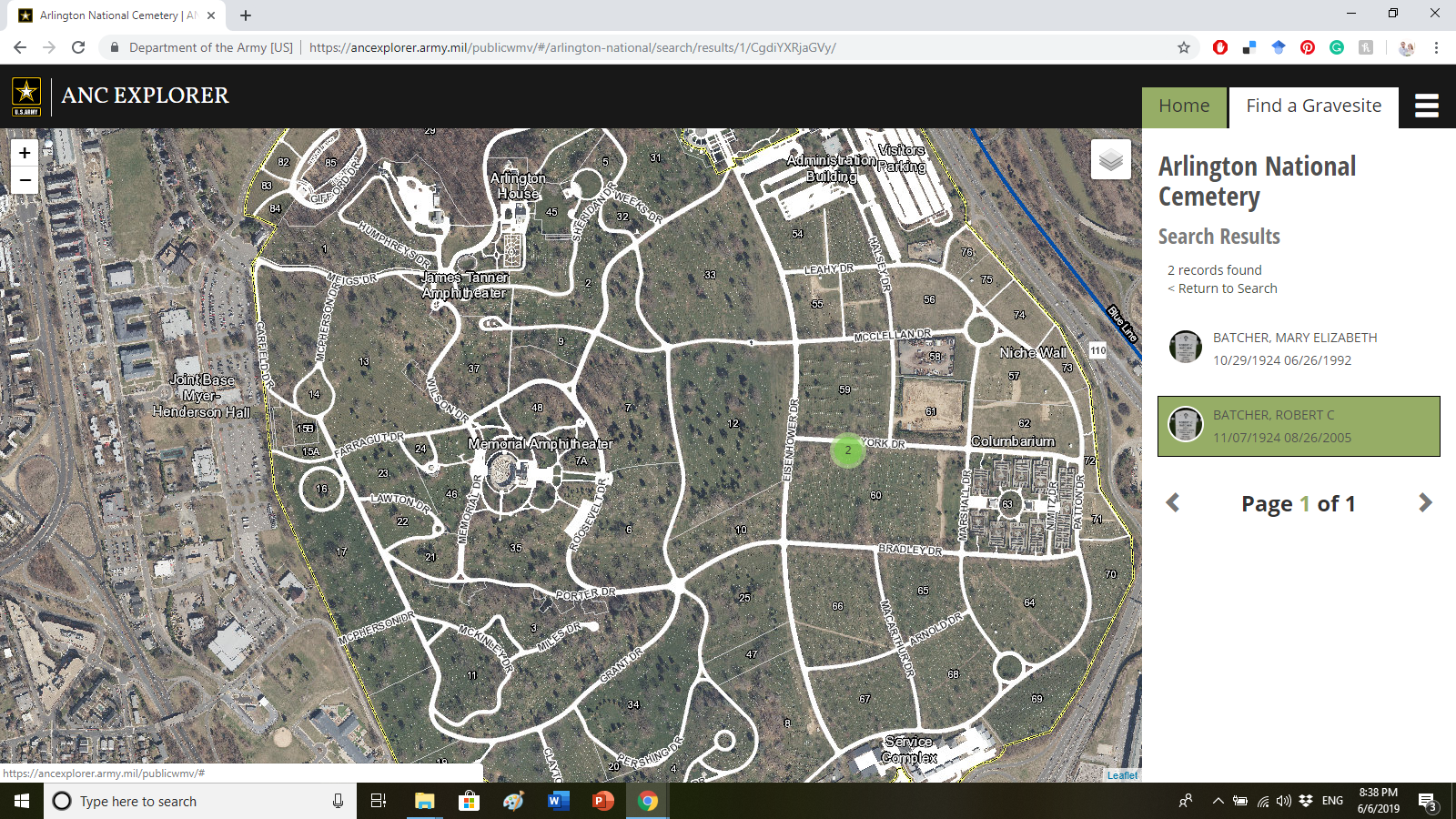
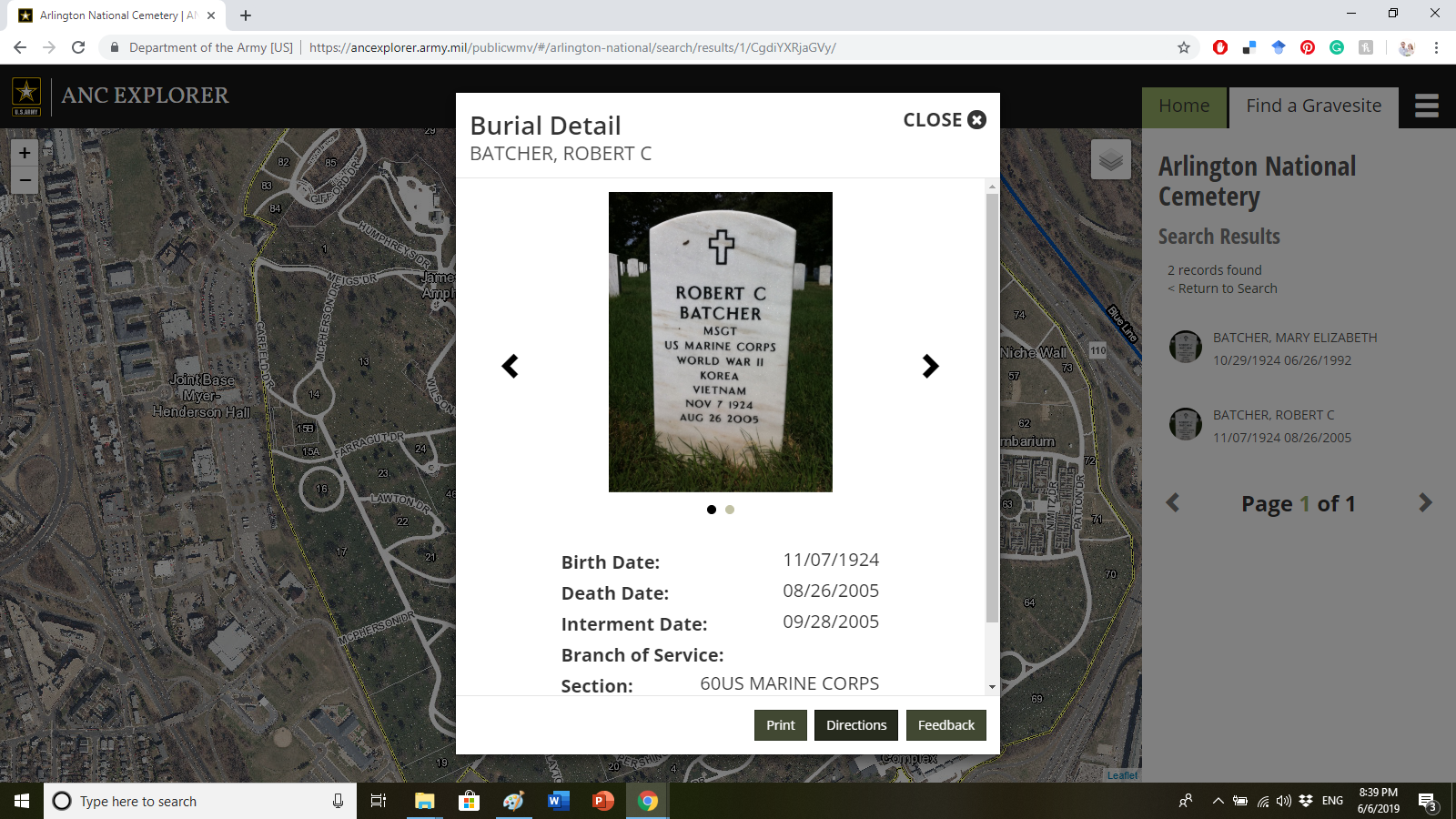
Some real-life cemeteries are using technology to encourage online visitation by digitizing their gravestones. Arlington National Cemetery has undertaken an ambitious project to photograph and digitally catalog each of their 400,000+ graves. Physical and virtual visitors can access the ANC Explorer app using a smartphone or web browser and search graves by name, birth, death, or burial date, or lot and grave number. Each cataloged grave displays photos of the front and back of the stone, the name, dates, and branch of service, plus detailed directions to the graveside from the main entrance.
Mount Auburn Cemetery in Cambridge, Massachusetts already holds the distinction of being the first cemetery of its kind in the United States. As a rural or garden cemetery, Mount Auburn combines burial and memorials with horticulture and nature in a space uniquely designed to allow nature to heal grief. In 2012, the cemetery debuted its own app which visitors can use to take self-guided tours on a variety of themes from rare trees to famous figures. Graves can also be searched by name, and the app will provide GPS-guided directions to the site.


Gaming Graves
Have you always wanted a little burial ground of your very own, but lack the real estate or dead bodies? Never fear, with the wonders of gaming you can satisfy your inner cemetery superintendent!
Graveyard Keeper debuted in May 2018 as “the most inaccurate medieval
cemetery management sim of the year” according to Lazy Bear Games. The player takes control of a run-down cemetery in a 16-bit style world. To rebuild the graveyard, the player must gather resources, manage incoming bodies, and make questionable ethical choices. Isn’t burying all that perfectly good meat a bit wasteful when the town is facing a food shortage? Will what people don’t know really hurt them?

References
Imrie, Robert. “Technology speaks from the grave.” Associated Press. LA Times 9 December 2007.
“Living Headstones.” Quiring Monuments, 2018.
“What is Find A Grave?” Find a Grave, Ancestry.com. 2019.
“Find a grave.” Arlington National Cemetery, U.S. Army. 2019.
“Mount Auburn’s New Mobile App.” Mount Auburn Cemetery. 2 May 2017.
 Playing Marbles for Keeps
Leave a comment